

Why EVA Flooring Fails (It’s Usually Not the Material)
Share
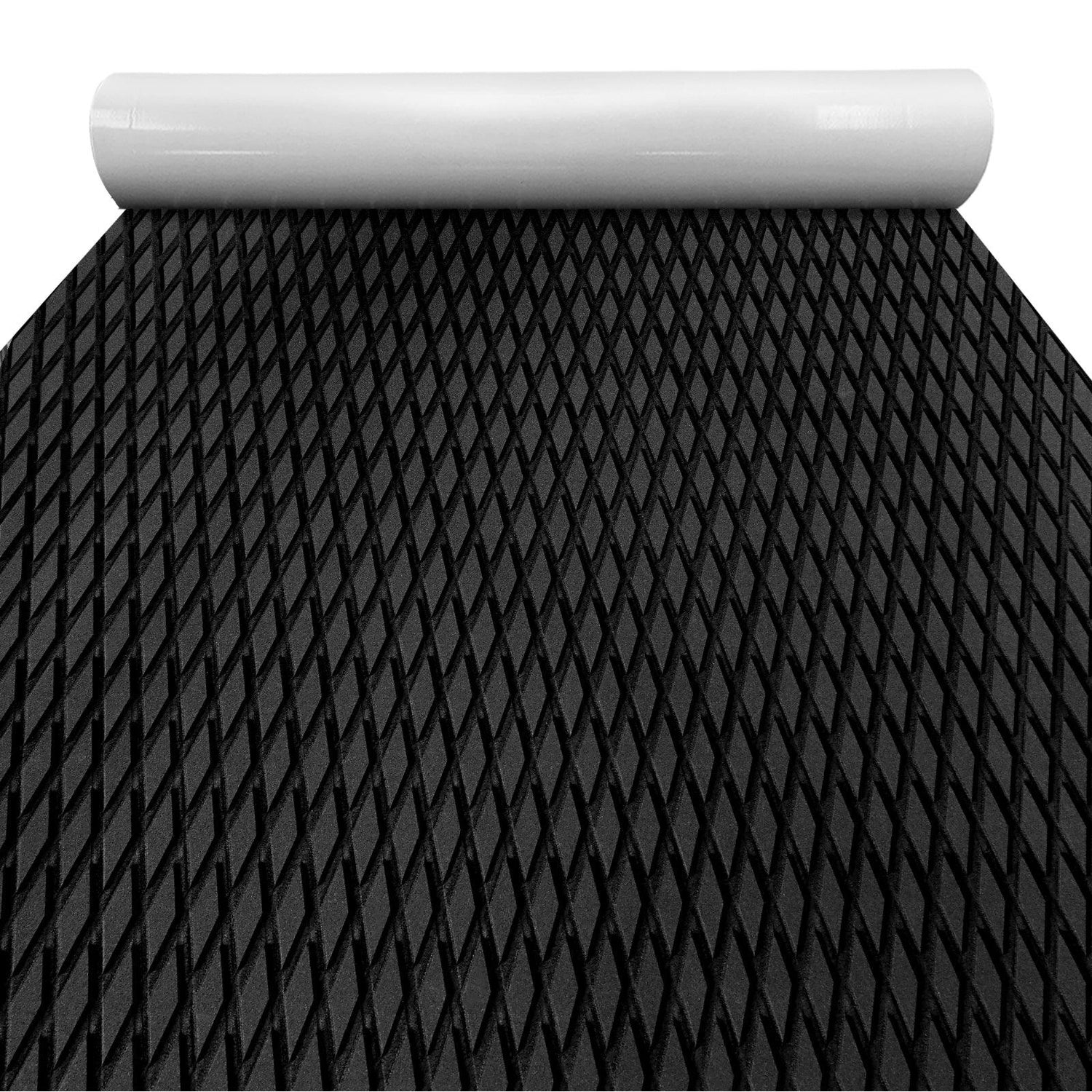
EVA flooring has become one of the most popular marine decking solutions — but when problems appear, they’re almost always caused by poor choices or improper installation, not the EVA itself.
Here are the most common mistakes boat owners make — and how to avoid them.
Mistake #1: Choosing Thickness Based Only on Price
Going thinner to save money often leads to:
-
Less comfort
-
Faster wear
-
Reduced shock absorption
Thicker EVA isn’t always better, but choosing the right thickness for your boat type is critical for long-term satisfaction.
Mistake #2: Ignoring Foam Density
Many owners focus on thickness and overlook foam density, which directly affects durability and grip.
Low-density EVA:
-
Compresses quickly
-
Loses texture faster
-
Feels soft but wears out early
High-quality marine EVA maintains shape and traction even after years of use.
Mistake #3: Poor Surface Preparation
Even the best EVA won’t stick to:
-
Dirty decks
-
Oily fiberglass
-
Old adhesive residue
Skipping proper cleaning and drying is one of the fastest ways to cause peeling and lifting, especially in saltwater environments.
Mistake #4: Incorrect Installation Temperature
Installing EVA in extreme heat or cold can weaken adhesive performance.
Best practice:
-
Install in moderate temperatures
-
Allow EVA to acclimate before application
-
Apply firm, even pressure after placement
This ensures long-lasting bonding.
Mistake #5: Blocking Drainage Channels
Covering scuppers or drain paths traps water under the foam.
Consequences include:
-
Mold buildup
-
Adhesive failure
-
Slippery surfaces
EVA should work with your boat’s drainage design, not against it.
Mistake #6: Using One Texture Everywhere
Different areas serve different purposes:
-
Helm areas need comfort
-
Fishing zones need aggressive grip
-
Walkways need balance
Using a single texture across the entire deck reduces performance and safety.
Mistake #7: Skipping Edge Sealing
Unsealed edges are vulnerable to:
-
Water intrusion
-
Lifting over time
-
Dirt buildup
Clean edge cuts and proper sealing significantly extend EVA lifespan.
Mistake #8: Neglecting UV and Heat Considerations
Dark EVA colors absorb more heat, especially in hot climates.
Ignoring color choice can lead to:
-
Hot deck surfaces
-
Reduced barefoot comfort
-
Faster surface aging
Choosing the right color and texture makes a noticeable difference.
Mistake #9: Assuming All EVA Is the Same
Not all EVA foam is marine-grade.
Low-quality EVA may:
-
Fade quickly
-
Crack or shrink
-
Lose grip
Marine-grade EVA is engineered specifically for UV exposure, saltwater, and heavy foot traffic.
Mistake #10: No Maintenance Plan
EVA is low-maintenance — not no-maintenance.
Simple care like:
-
Rinsing after saltwater use
-
Occasional gentle cleaning
-
Avoiding harsh chemicals
can double the lifespan of your deck.
Final Takeaway
Most EVA flooring issues are preventable. Choosing the right materials, planning your layout, and following proper installation practices ensure your EVA deck stays secure, comfortable, and visually appealing for years.
Avoid these common mistakes, and EVA flooring becomes one of the best long-term upgrades you can make to your boat.